|
|

LA FILATELIA " VENTANA AL CONOCIMIENTO"
THE STAMPS "WINDOW TO KNOWLEDGE"
Emisiones 2021
PARTICIPA SEPOMEX EN EL HOMENAJE A VICENTE ROJO
CON LA EMISIÓN DE UNA ESTAMPILLA POSTAL
 PARTICIPA SEPOMEX EN EL HOMENAJE A VICENTE ROJO PARTICIPA SEPOMEX EN EL HOMENAJE A VICENTE ROJO
- Autor
- Servicio Postal Mexicano
- Fecha de publicación
- 11 de junio de 2021
La Dirección General de Promoción Cultural y Acervo Patrimonial y de la Conservaduría de Palacio Nacional realizó un homenaje en memoria del artista Vicente Rojo, que consistió en la cancelación de un timbre postal, la inauguración de la exposición “Vicente Rojo. Una trayectoria. Una colección”, que reúne 47 pinturas y la donación del libro Círculo del Horizonte.
Durante la emotiva ceremonia en el Centro Cultural Indianilla, el Mtro. Arturo Herrera Gutiérrez, titular de la SHCP, destacó que la cultura y la educación son algunos de los instrumentos más importantes para el desarrollo de la sociedad mexicana.
Agregó que la obra de “Proyección Geométrica 1966” de Vicente Rojo, que ilustra el timbre emitido por el Servicio Postal Mexicano, forma parte del acervo de la Secretaría de Hacienda y Crédito. En su intervención, la directora general del Servicio Postal Mexicano, Lic. Rocío Bárcena Molina, señaló que la mejor forma para celebrar la vida y obra de Vicente Rojo es plasmar su talento, su visión y su misión social en una estampilla postal.
Añadió que los timbres constituyen un medio de difusión de los valores nacionales de la riqueza cultural y natural de nuestra historia y evolución social, económica y política, y de la interrelación con el mundo. En el acto protocolario de cancelación de la estampilla participaron la subsecretaria de Desarrollo Cultural, Dra. Marina Núñez Bespalova; la secretaria de Cultura de la Ciudad de México, Lic. Vanessa Bohórquez; la directora general de la Promoción Cultural y Acervo Patrimonial, Mtra. Adriana Castillo Román; el director del Centro Cultural Estación Indianilla, Dr. Isaac Masri; la escritora y viuda del artista, Bárbara Jacobs; el artista y diseñador, Vicente Rojo Cama; y la escritora Elena Poniatowska.
Astor Piazzolla: el centenario del trasgresor del Tango
Revolucionario, innovador, audaz, atrevido y adelantado a su época, es como podemos definir al genio musical argentino Astor Piazzolla.
- A utor
- Servicio Postal Mexicano
- Fecha de publicación
- 30 de abril de 2021
Sus composiciones musicales desafiaron las reglas establecidas en el tango tradicional, decía que este género no tenía que ser lacrimógeno, como alguna vez mencionó José Luis Borges. A los 18 años, Piazzolla asistió al teatro Colón de Buenos Aires para escuchar el concierto del pianista polaco-estadounidense Arthur Rubinstein. En ese momento quedó enamorado de la música al sentir cada nota que emanaba de las teclas bellamente tocadas por el concertista.
Astor inició sus estudios artísticos con Alberto Ginastera. Es ahí donde el compositor argentino entendió el concepto de música. Para 1939, sus arreglos musicales se consideraban muy avanzados para la época, sin embargo a la gente no le agradaban porque estaban convencidos de que en Argentina se puede cambiar todo, menos el tango.
La colección musical del Maestro incluye más de 600 obras originales. Publicó alrededor de 45 discos de larga duración, 20 en vivo y 10 álbumes recopilatorios.Incursionó en el cine, creando la banda sonora de más de 40 cintas, entre ellas, Historia de una carta, Las furias, Pulsación y ¿Qué es el otoño?
El público de Europa, Asia y América se deleitaron con sus presentaciones en vivo, algunas de ellas como los conciertos en Roma, Ámsterdam, Tokio, Suiza, Argentina, entre otras más, fueron grabadas y comercializadas.
En 1997, en la Sala Blas Galindo de la Ciudad de México, la cantante Eugenia León interpretó como homenaje al Maestro Piazzolla el tema “Los Pájaros Perdidos”, escrito por el autor argentino. A su trabajo lo definió como “El tango moderno de Piazzolla”. Decía que “Cuando lo escuchaban, sabían que oirían una música nueva, de un pueblo nuevo”. Siempre se preocupó más porque sus creaciones fueran escuchadas por los jóvenes, para que ellos descubrieran y se enamoraran de los tangos.
Su legado a la música universal consistió en la evolución del tango llevándolo a otro nivel, creando una fusión de jazz, tango y música clásica. Por todo ello, para el Servicio Postal Mexicano es un honor emitir una estampilla que conmemora el centenario del natalicio del gran compositor argentino, Astor Piazzolla.
Emisiones 2020
 
COVID-19 Héroes de cada día
COVID-19 Héroes de cada día
En los primeros meses del año 2020 el mundo comenzó a vivir un suceso que no se pensaba volvería a ocurrir en la historia de la humanidad: el brote y contagio de un virus a nivel general conocido con el nombre de Coronavirus (COVID – 19), que ha cobrado la vida de muchas personas alrededor de la tierra sin importar su condición social o económica.
Aún no se pueden cuantificar las pérdidas humanas pero las ciencias médicas a nivel mundial se enfrentan a un virus poco o nada conocido. El COVID 19 fue identificado por vez primera el 31 de diciembre de 2019 en Wuhan (China) y su gravedad en el año 2020 hizo que la Organización Mundial de la Salud lo clasificara como pandemia.
La Pandemia del coronavirus ha trastocado la vida de muchas personas, la mayoría se han recluido en sus casas para evitar contagiarse, así como su propagación, pero hay algunas otras que por su profesión u oficio no pudieron hacerlo y han permanecido en primera línea tratando de contener y apoyar a disminuir las consecuencias de este virus.
Como parte de la labor que realiza el Servicio Postal Mexicano, se emite una estampilla postal como homenaje a quienes luchan día a día contra la enfermedad, incluso poniendo en riesgo sus vidas y la de sus familias: personal médico, policías, soldados, carteros, personal de limpia, por mencionar a algunos.
En la emisión que se pone en circulación se manifiesta un homenaje y agradecimiento a todos los “héroes” (hombres y mujeres), que en cada uno de los países han luchado y continúan trabajando en contra de esta epidemia, a fin de que todos los habitantes tengan salud y se cuente con las mejores condiciones de vida buscando en conjunto una solución que impida tantos fallecimientos.
- Autor
- Servicio Postal Mexicano
- Fecha de publicación
- 26 de agosto de 2020
Emisiones 2019

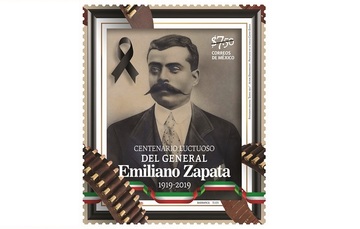   
FDC

Emisiones 2018



Emisiones 2016

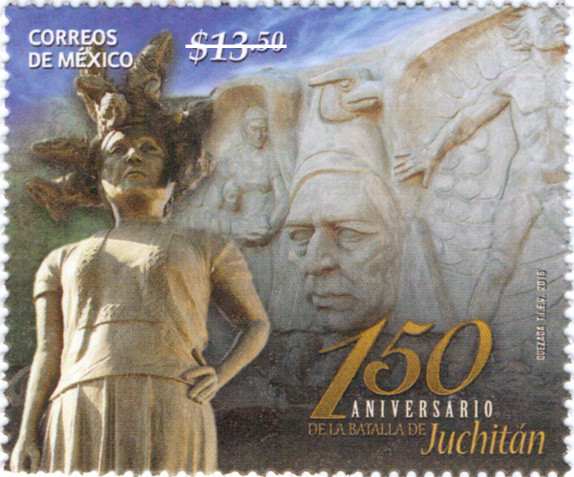
Emisiones 2015

Persiste amenaza contra vaquita marina
Pese a la Estrategia Integral para la Recuperación de la Vaquita Marina que desde febrero puso en marcha el Gobierno federal, esta especie endémica del Alto Golfo de California continúa amenazada.
México .- De marzo a la fecha, 58 personas han sido detenidas y en la zona de distribución del cetáceo se han asegurado un total de 265 artes de pesca, 68 embarcaciones, 13 vehículos y 2 buques, informó Guillermo Haro Bélchez, Procurador Federal de Protección al Ambiente (Profepa).
En el marco de la presentación de la estampilla postal "Vaquita Marina", el Procurador recordó que desde 2005, dicha especie se encuentra en el área de refugio para su protección dentro de la Reserva de la Biósfera del Alto Golfo de California y el Delta del Río Colorado.
"Además de estar incluida en la Norma Oficial Mexicana (NOM) 059, la vaquita marina también está en la Convención sobre el Comercio Internacional de Especies Amenazadas de Flora y Fauna Silvestres, mejor conocida como CITES", subrayó.
Tras implementarse en febrero pasado la Estrategia para la Recuperación de la Vaquita Marina, Haro Bélchez aseguró que la Profepa ha realizado, de marzo a la fecha, más de 13 mil 280 inspecciones de las cuales más de 8 mil corresponden a personas, más de 2 mil 500 a embarcaciones, mil 800 a vehículos, 187 a buques y 39 a instalaciones.
Adicionalmente, fueron capacitados 2 mil 726 funcionarios de la Profepa con el fin de implementar la Estrategia, la cual tiene vigencia por dos años consecutivos y consta de cuatro componentes:
La ampliación del polígono de protección, al pasar de 126 mil a un millón 300 mil hectáreas y para lo cual se decretó la suspensión de la pesca comercial a embarcaciones menores en el norte del Alto Golfo de California; la compensación económica a los pescadores durante la veda pesquera; fortalecer la inspección y vigilancia en coordinación con Profepa y la Secretaría de Marina; así como implementar nuevas artes de pesca.
De acuerdo con el Procurador, el sector pesquero ya diseñó una red de arrastre equipada con varios dispositivos selectivos que evitan la captura de la vaquita marina y de otras especies durante el proceso de captura de camarón en el Alto Golfo de California.
Omar Vidal, director del Fondo Mundial para la Naturaleza (WWF) en México, señaló que la amenaza que persiste de la vaquita marina será fundamental para que el País reporte hechos concretos en su protección durante la próxima Cumbre de Biodiversidad que albergará en 2016.
"El reto más importante que tiene un país como México, que es el cuarto en biodiversidad en el mundo, al albergar una Cumbre de Biodiversidad, es llegar con hechos concretos de cómo este País ha protegido su biodiversidad. Creo que el Gobierno mexicano se está preparando para eso pero me parece que el próximo año y rumbo a la Cumbre, México tiene que reforzar mucho más los esfuerzos en este sentido", apuntó.
Rafael Pacchiano Alamán, secretario de Medio Ambiente y Recursos Naturales (Semarnat), destacó que hace apenas 15 días el Presidente Enrique Peña recibió en Estados Unidos un reconocimiento de parte de la Asociación Internacional de Mamíferos Marinos por la implementación de la Estrategia Integral para la Recuperación de la Vaquita Marina.
"No ha habido un programa más ambicioso en el mundo, desde que se tenga registro, donde un País haya hecho un esfuerzo tan grande para poder conservar una especie como el que ha hecho México y es por eso que hace apenas unas semana el Presidente de la República recibió este reconocimiento", añadió Pacchiano.
La vaquita marina es considerada la más amenazada de las 128 especies en el mundo que se ubican en esta categoría.
Para promover su protección, los funcionarios encabezaron el acto protocolario de la cancelación del primer día de emisión de una serie de estampillas postales dedicadas a la vaquita marina.

La emisión filatélica consta de 300 mil ejemplares y 300 hojillas.
17 DE ABRIL ANIVERSARIO LUCTUOSO DE SOR JUANA INÉS DE LA CRUZ

El 17 de abril de 1695, Sor Juana Inés de la Cruz falleció víctima de una epidemia de fiebre que invadió el convento de San Jerónimo. Juana Inés de Asbaje y Ramírez, nació el 12 de Noviembre de 1651 en la entonces alquería de San Miguel Nepantla, hoy Estado de México. Sus padres fueron Don Pedro Manuel de Asbaje y Vargas y Doña Isabel Ramírez de Santillana. Fue la menor de tres hijas. Desde muy temprana edad, Juana se interesó en la lectura y aprendió a leer a los tres años, a pesar de que en su época las mujeres no tenían acceso a la cultura. Estudió en la biblioteca de su abuelo en la Hacienda de Panoayan, Estado de México. A los ocho años escribió una loa del Santísimo Sacramento para la festividad del Corpus. En 1665 entró a la Corte al servicio de la virreina, Doña Leonor Carreto, marquesa de Mancera, y fue objeto de asombro y veneración por su inteligencia, memoria y discreción. Con tan solo 16 años tomó la decisión de ingresar al convento de las Carmelitas Descalzas para poder dedicarse a los estudios. Tuvo que salir tres meses después de su estadía en el convento por enfermedad, y regresó al palacio virreinal. Firme en su decisión, al año siguiente hizo sus primeros votos en la comunidad de las Jerónimas, llevando con ella el nombre religioso que tomó de la fundadora del convento de San José: Sor Inés de la Cruz. Desempeñó el cargo de archivera del convento y llevaba la contaduría sin descuidar sus deberes. Dedicó la mayor parte de su tiempo al estudio de la ciencias exactas y a la poesía en su búsqueda de la libertad de la mujer. En 1683 ganó dos premios en el certamen universitario del Triunfo Parténico. En 1690 a Sor Juana le hicieron llegar una carta del obispo de Puebla, Don Manuel Fernández de Santa Cruz invitándola a dedicarse a las lecturas religiosas puesto que ha olvidado el estudio de la espiritualidad. Sor Juana responde y defiende el derecho del saber por parte de las mujeres. En 1693, algunas autoridades eclesiásticas emprendieron un juicio secreto en contra de Juana, juzgándola por creerla una monja mundana, rebelde y poco fervorosa. El juicio concluyó en febrero de 1694 con la sentencia de confesar sus culpas y ceder su biblioteca con todo y sus instrumentos y regalos. Ella, de manera ingeniosa, vendió su biblioteca integrada por más de cuatro mil volúmenes, donó el dinero a los pobres, abandonó sus estudios y sus trabajos literarios. Además fue obligada a escribir con la sangre de sus venas a manera de tinta, textos de penitencia exigidos por el tribunal eclesiástico como petición que en forma causídica presentó al Tribunal Divino la Madre Juana Inés de la Cruz, por impetrar perdón a sus culpas, y fue forzada a realizar la renovación de sus votos.
Sus obras literarias están integradas por: Romances, redondillas, décimas, glosas, sonetos, liras, ovillejos, silvas, villancicos, letras, autos sacramentales, loas, sainetes y prosas. Un ejemplo de ellas, Billetes y otros poemitas, Memorial a un juez, Hombres necios que acusáis, Dime vencedor rapaz, El divino Narciso, El cetro de José, El mártir del sacramento: San Hermenegildo, Los empeños de una casa y Amor es más laberinto. Fuente: CONACULTA / SEP
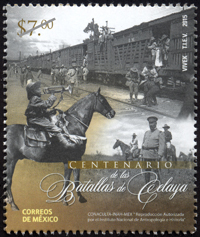 .jpg)  
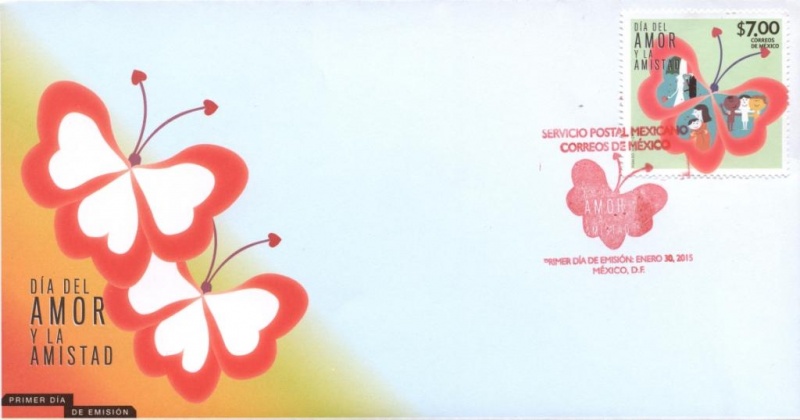
Sello Postal y Sobre de Primer Dia de Emision
Dia del AMor y la Amistad

.jpg) 
.jpg)
|